Diploma of Building and Construction: Career Outcomes and Pathways
A Diploma of Building and Construction (CPC50220) prepares you for roles involving construction management, site supervision, estimating, contracts and project coordination across residential and commercial projects. The qualification is recognised nationally and can contribute to the educational requirements for builder licensing or registration, depending on the state or territory and the registration class. training.gov.au – CPC50220
Graduates may move into roles such as site supervisor, estimator, contract administrator, construction manager or builder, subject to the licensing or registration requirements that apply in their state. Whether you’re already working in construction or considering a career change, this guide breaks down where the diploma can take you.
A Diploma of Building and Construction (CPC50220) qualifies you to supervise residential builds up to three storeys and manage commercial projects Class 2 to 9 under the National Construction Code, according to training.gov.au, the national register for vocational training. Graduates typically move into site supervisor, estimator, contract administrator or construction manager roles, and the qualification also forms part of the education requirement for builder licensing in most states. Whether you’re already swinging a hammer or looking at construction as a career change, this guide breaks down exactly where the diploma can take you.
Australia’s construction pipeline isn’t slowing down. Housing targets, infrastructure spending and a wave of retiring tradies are creating a real gap in site leadership, and a building and construction training course is one of the more direct ways to step into that gap. This article covers what the CPC50220 actually involves, the jobs it leads to, what you’ll earn, how it stacks up against a Certificate IV, and what comes next once you’ve finished.
Australia’s construction industry continues to need skilled people who can manage projects, coordinate trades and keep work moving safely and efficiently. A building and construction training course can help build the knowledge needed for these roles. This article covers what the CPC50220 involves, the jobs it can lead to, how it compares with a Certificate IV, and what pathways may be available after graduation.
What Is the CPC50220 Diploma of Building and Construction?
The CPC50220 Diploma of Building and Construction is a nationally recognised qualification that trains you to manage medium-rise residential and commercial building projects. Per training.gov.au, the qualification covers structural principles, risk and financial management, estimating, preparing and administering building contracts, selecting contractors and overseeing construction work, with residential coverage Class 1 and 10 buildings up to three storeys and commercial coverage extending to Class 2 to 9 buildings (Type B and C construction).
The qualification is suited to people looking to move into construction management and supervisory roles. Many students already have trade experience, a Certificate IV or experience on construction sites, but these are not formal entry requirements for the qualification. Students still need the language, literacy and numeracy skills needed to complete the course successfully, along with the practical skills required for competency-based assessment.
It’s built for people already working towards site leadership, not for someone starting from zero. Most students come in with a trade background, a Certificate IV, or hands-on site experience they want formalised into a recognised qualification. There are no formal academic prerequisites listed on the national register, though you’ll need reasonable language, literacy and numeracy skills to get through the coursework and, because units are assessed in a real or closely simulated workplace, some construction experience genuinely helps.
Unlike a purely classroom-based course, this diploma is built around practical demonstration. You’re expected to show competency against real project scenarios: reading drawings, pricing a job, running a WHS induction, resolving a contract dispute. That’s a deliberate design choice in the training package, not padding.
What Career Outcomes Can You Expect After a Diploma of Building and Construction?
A Diploma of Building and Construction can support a move into supervisory and management roles across the construction industry. Depending on your experience and the roles available, career paths can include site supervisor, general foreperson, estimator, contract administrator, construction manager, building inspector or builder.
Where you land depends heavily on what you were doing before you enrolled. A qualified carpenter with years of site experience might step straight into a site supervisor role. Someone coming from an office background in project coordination might find estimating or contract administration a more natural fit. Either way, the diploma provides formal knowledge and skills that can support these roles, while any required builder registration or licensing depends on the state or territory and the type of work you want to undertake.
What Does a Construction Site Supervisor Do?
A construction site supervisor runs the day-to-day operations on a job site, coordinating trades, checking work against approved plans, and keeping everyone safe and on schedule. It’s the role most CPC50220 graduates step into first, largely because it’s the closest match to what the diploma teaches.
Day to day, that means running toolbox talks, chasing up late deliveries, walking the site for quality and safety issues, and being the person subcontractors ring when a slab pour needs to shift by a day because of rain. It’s a job built on judgement calls as much as technical knowledge. According to SEEK’s salary data, site supervisors salaries in Australia vary depending on experience, location, employer and project type, so the exact figure can change over time. typically earn between $110,000 and $130,000 a year, though that swings up in regional and FIFO roles where site allowances and remoteness premiums apply.
What Is the Construction Manager Career Path?
The construction manager career path moves beyond day-to-day site oversight into planning, budgeting and delivering the whole project. It’s the natural next step after a few years as a site supervisor, once you’ve built up enough runs on the board to be trusted with a project’s full scope.
Construction managers juggle scheduling, cost control, subcontractor procurement and client communication, often across more than one site at a time. On SEEK’s job listings, advertised construction and project manager roles commonly sit between $130,000 and $200,000, climbing well past that on salaries that vary widely depending on experience, location, project size and employer, with higher salaries often attached to large commercial or infrastructure jobs. It’s a role that rewards people who can hold a lot of moving parts in their head at once and still return a phone call at 6pm.
How Do You Become a Registered Builder in Australia?
Becoming a registered builder in Australia means completing the required education, usually including units mapped to a diploma-level qualification, then meeting the specific experience and application requirements set by your state or territory’s licensing authority. There’s no single national builder’s licence; each state runs its own system.
In Victoria, that’s the Building and Plumbing Commission. In Queensland, it’s the Queensland Building and Construction Commission. NSW runs licensing applications through Service NSW, and Western Australia through the Building Services Board. The CPC50220 can contribute to the educational requirements for builder licensing or registration, but it doesn’t hand you a licence on its own. You’ll still need to meet the specific practical experience and application requirements for your state.
What Does a Building Estimator Do?
A building estimator works out what a construction project will cost before a single brick is laid, pricing materials, labour and time from drawings and specifications. It’s a role suited to people who like numbers and detail more than they like standing on a scaffold in the rain.
Estimators read construction drawings, calculate quantities, source supplier pricing, and build the cost breakdowns that go into tenders. Get it wrong and a builder either loses the job on price or loses money delivering it, so accuracy matters more than speed. The diploma covers relevant skills in plan reading, estimating and cost control, which gives graduates a useful foundation for the role. One thing trainers see that trips up new estimators constantly: forgetting to price in site establishment and waste removal on smaller residential jobs, costs that don’t show up on the drawings but absolutely show up on the invoice.
What Does a Building Contract Administrator Do?
A building contract administrator manages the paperwork and communication that keeps a construction contract on track, from reviewing the original agreement through to handling variations and progress payments. It’s a role that lives at the intersection of construction knowledge and commercial process.
Contract administrators deal with standard Australian construction contracts, including HIA, Master Builders, or Standards Australia’s ABIC suite, and spend a lot of time managing extension-of-time claims, variations and dispute resolution. It suits people with strong attention to detail who don’t mind being the one chasing signatures. The role is important to builders because good contract administration can help keep projects organised, manage contractual obligations and reduce the risk of disputes.
What Is the Pathway to Becoming a Building Surveyor?
Building surveyors check that construction work meets the National Construction Code and relevant Australian Standards, and they typically need specific qualifications, practical experience and registration requirements on top of general construction knowledge. A diploma provides useful grounding in codes and compliance, but surveying is a separately regulated profession in most states, so check the specific accreditation pathway with your state’s building regulator before assuming a diploma alone gets you there.
This path suits people who like the compliance and technical assessment side of construction more than running a crew. It’s a smaller, more specialised pool of roles than site supervision or estimating, but building surveyors play an important role in assessing building work and approvals for compliance and safety.
| Typical starting point | Common next step | Later-stage role |
| Trade qualification / labourer | Leading hand or building coordinator | Site supervisor |
| Certificate IV in Building and Construction | Site supervisor | Construction manager |
| Diploma of Building and Construction | Construction manager or estimator | Senior project manager or builder, subject to state licensing requirements |
| Diploma + several years’ experience | Builder licence application |
Progression usually depends on more than time served. Employers and licensing bodies both look for evidence you can actually run a project, not just that you’ve clocked years on site. That’s why formal recognition, whether through a diploma, RPL, or state licensing, tends to matter more the higher up you go.
What Skills Do You Develop in a Building and Construction Diploma?
A Diploma of Building and Construction develops technical construction knowledge alongside project management, financial and leadership skills, rather than teaching a single trade. Core areas include structural principles, building codes and compliance, estimating, contract administration, WHS management and team leadership.
You’ll also come out with a working understanding of the National Construction Code, risk management planning, and business finance basics, including monitoring cash flow and profit margins on a project. The WHS units develop site risk assessments and safety management plans in line with applicable work health and safety legislation. The Safe Work Australia develops the model WHS laws, but these must be implemented separately by each jurisdiction, and Victoria uses its own occupational health and safety legislation.
Is There Demand for Construction Management Jobs in Australia?
Yes. Australia’s construction sector continues to support a large workforce, with employment in the industry growing over the year to February 2026. Jobs and Skills Australia also continues to identify skills shortages across the Australian labour market, including construction-related occupations. Demand for qualified supervisors and managers exists across residential, commercial and civil projects, although it varies by occupation and location. Yes. Australia’s construction sector is running a persistent skills shortage, driven by housing targets, infrastructure spending and an ageing workforce, and that’s kept demand for qualified supervisors and managers high across residential, commercial and civil projects. Employers consistently favour candidates who hold a recognised qualification over those relying purely on informal experience, because it de-risks hiring and, in many cases, supports licensing requirements down the track.
That demand isn’t evenly spread. Jobs and Skills Australia provides occupation and regional data showing that employment opportunities can vary across states, territories and regions Growth corridors in South East Queensland, Western Sydney and regional Victoria are seeing the sharpest need for site leadership right now, while some inner-metro markets are more competitive. It pays to have a realistic read on your local market before assuming a qualification guarantees a job in your postcode of choice.
What Building Supervisor Job Opportunities Are Available?
Building supervisor roles are available across residential, commercial and civil construction throughout Australia, with opportunities ranging from small residential builders through to Tier 1 commercial contractors. According to SEEK, building supervisors salaries vary depending on experience, location, employer and project type. in Australia typically earn between $100,000 and $110,000, with site supervisor and construction supervisor titles trending somewhat higher depending on project scale and location.
For graduates with relevant experience, a building supervisor role can be an important step towards taking greater responsibility for site operations and progressing into construction management or meeting the experience requirements for a builder licence, depending on the state or territory.
What Further Study Options Are There After the Diploma?
After completing the CPC50220, the standard vocational next step is the CPC60220 Advanced Diploma of Building and Construction (Management), and many Australian universities also offer credit transfer into a Bachelor of Construction Management or a related degree. The amount of credit varies by institution, so confirm exact unit transfer numbers directly with the university you’re considering the specific credit point figures depend on the receiving institution and change between intakes).
Graduates who want to move into higher education rather than staying purely vocational can also benefit from the practical construction knowledge gained through the diploma. Having already worked through areas such as contracts, estimating, construction management and compliance can provide useful context when moving into further study.
What Ongoing Certifications Support Career Growth in Construction?
Builders in many Australian states and territories need to complete Continuing Professional Development (CPD) to maintain their registration or licence, alongside optional specialist training in areas like sustainability, project management or digital construction tools. Specific CPD requirements vary significantly by state and licence class, so check directly with your state’s building licensing authority for the current requirement.
Beyond mandatory CPD, professionals who keep building their skills, whether through short courses in estimating software, sustainability compliance or dispute resolution. Keeping up to date with changes to construction requirements is also important, particularly as energy efficiency requirements continue to develop through updates to the NCC, tend to stay more competitive as project requirements shift, particularly around energy efficiency standards that keep tightening under successive NCC updates.
Why Choose a Career in Australia’s Construction Industry?
Construction offers genuine variety: hands-on site leadership for people who want to be outdoors and active, and strategic project roles for people who’d rather be running numbers and negotiating contracts. Few industries let you point at a finished building or a completed housing estate and say you were part of delivering it.
It’s also an industry where qualifications can support progression into roles with greater responsibility, particularly when combined with practical site experience. A recognised diploma, backed by real site experience, can help build the knowledge and skills needed to move into supervisory, management and other construction roles.
Is a Diploma of Building and Construction Right for You?
A Diploma of Building and Construction suits tradespeople looking to move into supervision, career changers wanting a formal way into the industry, and international students interested in Australian construction pathways. While previous construction or site experience can be helpful, it is not a formal entry requirement for the CPC50220. It’s not the right starting point if you’re brand new to construction with zero site exposure; a Certificate IV, or an entry-level role while studying, is usually a better first move.
If you like solving problems on the fly, coordinating people, and seeing a physical result at the end of a project, it’s worth serious consideration. If you’re chasing a desk job with no site involvement at all, this particular pathway probably isn’t it, though estimating and contract administration roles do lean more office-based than site-based.
Final Thoughts
A Diploma of Building and Construction course gives you a genuine route into site supervision, estimating, contract administration or construction management, and can contribute to the education requirements for builder registration or licensing in some Australian states and registration classes. The next practical step is checking whether you meet the entry expectations for a diploma now, or whether starting with a Certificate IV in Building and Construction and building site experience first makes more sense for where you’re at.
Frequently Asked Questions
What job roles can I step into after completing the CPC50220 Diploma of Building and Construction?
Graduates can transition into key supervisory and management roles within the Australian construction industry. Potential career outcomes include site supervisor, construction estimator, contract administrator, general foreperson, building inspector, project coordinator, and construction project manager.
Does the Diploma of Building and Construction make me a registered builder in Australia?
No. The CPC50220 Diploma does not automatically grant a builder licence or registration. It can contribute to the educational requirements for builder licensing or registration, depending on the state, registration class and applicable requirements. You will still need to meet the relevant practical experience and other application requirements. While the CPC50220 Diploma does not automatically grant a builder licence, it satisfies the key educational components required by state licensing bodies such as the Building and Plumbing Commission (BPC) or the Queensland Building and Construction Commission (QBCC). You will still need to meet state-specific practical experience requirements to complete your registration.
What is the difference between Certificate IV and the Diploma of Building and Construction?
The Certificate IV in Building and Construction (CPC40120) focuses on building and construction work involving Class 1 and 10 buildings up to two storeys, as well as Class 2 to 9 Type C construction. The Diploma (CPC50220) builds on this with broader management, financial and structural skills and covers residential Class 1 and 10 buildings up to three storeys, as well as commercial Class 2 to 9 buildings involving Type B and C construction.
Can I articulate from a diploma into a Bachelor of Construction Management at an Australian university?
Yes, many Australian universities offer credit transfer pathways for CPC50220 graduates. The amount of credit varies between universities and courses. For example, some current pathways provide credit towards a Bachelor of Construction Management or a related degree, potentially reducing the amount of study required. Always confirm the available credit and entry requirements directly with the university you’re considering.
What building types does the CPC50220 Diploma qualify me to supervise?
The CPC50220 Diploma covers the skills needed to supervise the planning and execution of residential builds up to three storeys (Class 1 and 10), as well as commercial construction projects falling under NCC Class 2 to 9 (Type B and C construction). Any licensing or registration requirements depend on the state or territory and the type of work you intend to undertake.
How does the diploma help me meet National Construction Code (NCC) standards?
The diploma develops your ability to interpret and apply the National Construction Code (NCC) and relevant building requirements. You will learn about structural principles, fire resistance requirements, access considerations and energy efficiency requirements relevant to construction work. The NCC is given legal effect through the building legislation and regulations of each Australian state and territory.
What is the average salary potential for graduates in Australia?
Salaries vary depending on your specific state, experience level, and exact job title. Construction management roles can attract higher salaries as experience and responsibility increase. Current Jobs and Skills Australia data shows median full-time earnings of $3,751 per week for Construction Managers, based on May 2025 ABS data. This is a guide only, and actual salaries for site supervisors, estimators, contract administrators and project managers can vary significantly.
On average, site supervisors in Australia earn between $95,000 and $130,000 annually, while experienced construction managers and project managers can earn from $140,000 to over $200,000 per year.
Is Recognition of Prior Learning (RPL) available for trade qualified carpenters or tradies?
Yes, if you have relevant work experience and existing skills and knowledge, an RTO can assess you through Recognition of Prior Learning (RPL). RPL allows you to have your existing skills and knowledge assessed against relevant units of competency, which may reduce the amount of training you need to complete for your diploma.
How long does it take to complete the CPC50220 Diploma of Building and Construction?
Course duration varies between RTOs and depends on the delivery mode, study pace and any credit transfer or RPL granted. Standard enrolments may take around a year or longer, while students with relevant experience who receive credit through RPL may have fewer units or less training to complete. Accelerated study options may also allow some students to complete the qualification sooner.
What are the primary entry requirements for enrolling in an Australian RTO?
Entry requirements vary between RTOs and qualifications. Applicants generally need the Language, Literacy, Numeracy and digital (LLND) skills required to complete the course and may need to meet specific entry requirements set by the RTO or qualification. While formal prerequisites for the CPC50220 Diploma of Building and Construction are limited, having prior trade qualifications, such as a Certificate III in Carpentry, or relevant site experience can be helpful when completing the course.
Do I need a White Card before undertaking practical site assessments?
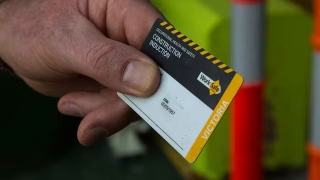
Yes, holding a valid General Construction Induction Card (commonly known as a White Card) is mandatory before stepping onto any live Australian construction site to undertake practical course work or assessments.
What contract administration skills are covered in the CPC50220 course?
The course develops skills in preparing, selecting and administering construction contracts and managing contractual requirements. You will learn how to manage variations, extension of time (EOT) claims, dispute resolution and progress payments, along with other aspects of contract administration.
Can I study the Diploma of Building and Construction online in Australia?
Some RTOs offer flexible online or blended study formats that can suit people working in construction. However, the qualification includes practical assessment requirements, so you may need access to a suitable workplace or simulated construction environment to demonstrate competency.
How does this diploma prepare me to work as a construction estimator?
The course develops skills in reading and interpreting construction plans, estimating quantities and costs, and managing project budgets. These skills can help you prepare estimates and tenders and contribute to cost control across residential and commercial construction projects.
What licensing body do I apply to after completing my studies?
Licensing and registration depend on your state or territory and the type of work you intend to undertake. Examples include the Building and Plumbing Commission (BPC) in Victoria, the Queensland Building and Construction Commission (QBCC) in Queensland, Building Commission NSW assesses building and trade licence applications in New South Wales. While applications are submitted through Service NSW, and the Building Services Board in Western Australia. You will also need to meet the relevant qualification, experience and other requirements for your licence or registration class.
How does the CPC50220 Diploma address Australian WHS regulations?
The curriculum develops practical Work Health and Safety (WHS) management skills aligned with applicable Australian WHS requirements. You will learn how to develop WHS risk management plans, conduct site risk assessments, and establish workplace safety policies.
What structural principles will I learn for medium-rise buildings?
You will learn to analyse structural forces, load-bearing requirements, footing systems, concrete placement, and timber or steel framing for buildings up to three storeys. You will also learn to apply structural principles and relevant building codes and standards when planning and supervising construction work.
Is financial management included in the CPC50220 qualification?
Yes, financial management is included in the CPC50220 Diploma. You will learn how to monitor costing systems, calculate profit margins, manage cash flow cycles, and maintain financial records and compliance relevant to building and construction businesses.
What is the difference between a Site Supervisor and a Project Manager in Australia?
A Site Supervisor focuses on daily operations, trade coordination, safety and quality control directly on the job site. A Project Manager oversees broader delivery of a project, including client relations, budgeting and financial reporting, procurement, scheduling, and contract management.
Does this course prepare me for commercial construction management?
Yes. The CPC50220 qualification covers commercial construction involving NCC Class 2 to 9 buildings, including Type B and Type C construction. It develops skills relevant to supervising and managing commercial projects, including office fit-outs and multi-residential construction. Licensing or registration requirements still depend on the state or territory and the type of work you intend to undertake.
Can I run my own building company once I hold a diploma?
The CPC50220 Diploma can provide the educational foundation for applying for a builder or contractor licence, depending on your state or territory and the type of work you intend to undertake. Once you meet the relevant licensing, experience and business requirements, you may be able to contract directly with clients, submit tenders and operate your own building business. Company and individual licensing requirements can also apply separately. Holding the diploma gives you the educational foundation needed to apply for an independent builder contractor licence. Once licensed by your state authority, you can legally contract directly with clients, submit tenders, and operate your own registered building enterprise
What environmental and sustainability practices are taught in the course?
The qualification covers environmental management systems, waste minimisation procedures, energy efficiency strategies, and sustainable building methods relevant to construction. You will also develop an understanding of environmental requirements that apply to building and construction work.
How are practical assessments conducted for distance or online students?
Practical assessments for online students may involve workplace activities, simulated environments, case studies, projects, observation, and submission of supporting evidence, depending on the unit and RTO’s assessment requirements. Students may need access to a suitable workplace or simulated construction environment to demonstrate practical competency.
Will I learn how to manage sub-contractors and site personnel?
Yes, team leadership and subcontractor management are covered in the qualification. You will develop skills in evaluating quotes, managing trade performance, resolving workplace conflicts, and maintaining quality standards among site crews.
What is the next step in qualification after completing the CPC50220 Diploma?
After completing your diploma, you can continue your vocational studies with the CPC60220 Advanced Diploma of Building and Construction (Management). Alternatively, you can explore university degree programs, including a Bachelor of Construction Management, with credit or advanced standing depending on the university and course.